
How to Test Espresso Tools Before a Wholesale Order: Samples, Trial Orders and the First Carton
The short answer
Test in three stages: a sample to check the tool itself, a trial order to check demand, then the first carton. Airflow's wholesale terms are built for that order — a 1-carton MOQ per item, sample orders welcome, and most items in stock. A distributor who skips the first two stages is not saving time; they are moving the risk from a sample to a whole carton.
Stage 1: The sample — does the tool work on your bar?
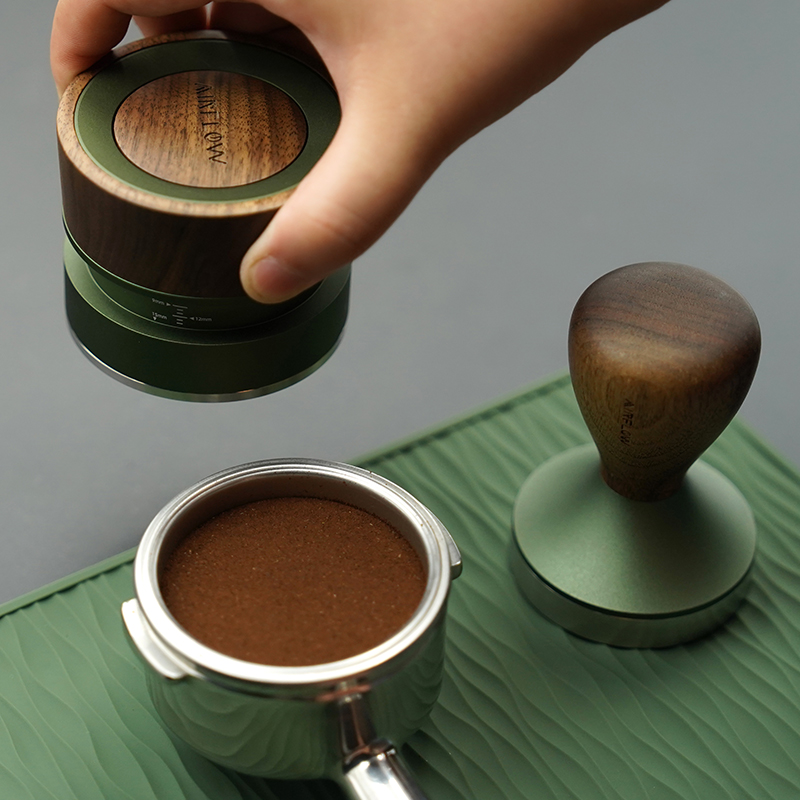
Order a sample of the tool you plan to stock, and put it on a real bar, not on a desk. A distributor tool is not a display piece; it is used on every shot, so the sample has to survive real service.
Check the fit first. The gravity-adaptive distributor fits 58.5mm baskets, so confirm it against the baskets your customers actually use before anything else. A tool that does not fit the basket cannot be sold to the cafes that own that basket, no matter how well it is made. Check the feel next: the 9-face plate, the 7.79° angle and the 8mm depth are what level the puck and reduce channelling, but the barista holding it will judge the weight and the grip in seconds.
Run the sample through a full shift. Use the magnetic WDT — 8 needles at 0.4mm — on real grinds, not test beans. Fit the magnetic dosing ring, with its 73mm wide opening and 6 magnets, and check that it stays put and does not fall when flipped. Weigh doses on the coffee scale, which reads to 0.1g with a timer, USB-C charging and three modes for pour-over, espresso and auto. Steam milk in the 400ml and 600ml pitchers — 304 stainless steel, in five colours — and pour with them. One shift of real use tells you more than any specification sheet, and it tells you in the language your customers will use when they ask about the tool.
Ask the baristas, not just the buyer. The buyer signs the order, but the barista decides whether the tool stays on the bar. If the baristas reach for the sample without being asked, that is the strongest signal a trial order will sell.
Stage 2: The trial order — do your customers want it?
A trial order is a small wholesale order placed before the range is listed properly: enough units to put the tool in front of real customers, not enough to be stuck with if it does not move. This is the stage that answers the only question a sample cannot — whether anyone will buy it.
Put the trial units where the customers already are. A distributor that supplies machines should put the distributor tool next to the machine it fits. A retailer should put the WDT next to the grinders, and the pitcher next to the milk drinks on the menu. The tool sells best as the missing piece of a setup the customer already owns, not as a standalone gadget on a shelf of its own.
Give the trial a clear end point before it starts. Decide in advance how many units, how many weeks, and what counts as success — for example, that the trial units sell through, or that two or three wholesale cafes ask for more. A trial without an end point drifts into a slow listing that nobody watches, and a slow listing tells you nothing.
Collect the questions customers ask during the trial. If every customer asks whether the distributor fits their basket, the listing needs the basket size in the first line. If they ask how the WDT differs from a tamper, the listing needs that comparison. The trial is market research that pays for itself, as long as someone writes the questions down.
Stage 3: The first carton — buy the range, not one tool
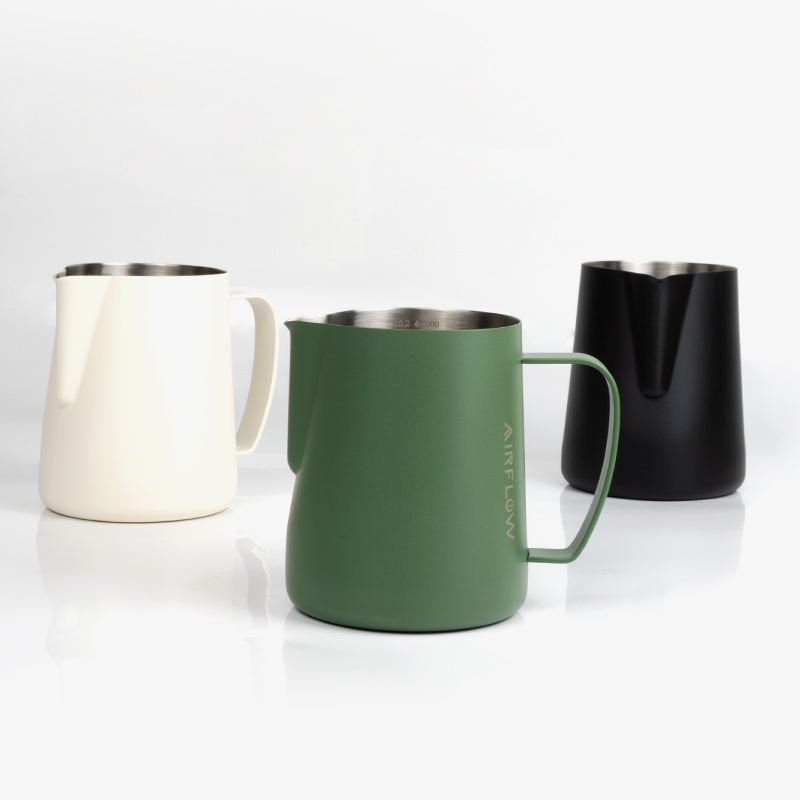
When the sample works and the trial sells, order the first carton. The 1-carton MOQ per item means the first order can be small and focused: one carton of the tool that sold, not a warehouse of the whole range. That is the point of a low MOQ — it lets a distributor scale with demand instead of betting on it.
Buy the set, not the single. Espresso prep is a chain: scale, WDT, dosing ring, distributor, pitcher, in that order. A customer who buys a distributor will soon need a WDT, and a customer who buys a pitcher will ask about the scale. Stocking the set means each sale creates the next one, and it means the distributor can answer the whole question — how do I equip this bar? — instead of one part of it. For the full set and the order to use it in, see How to Equip a Cafe Bar With One Espresso Prep Set.
Plan the restock before the first carton runs out. Most items are in stock, so a repeat order is fast, but the distributor who waits until the shelf is empty still loses the week the shelf was empty. Watch the trial numbers, and reorder when the stock covers the next few weeks of sales, not when it covers nothing.
What to check before you commit
1. Basket size and compatibility
Confirm the distributor fits the 58.5mm baskets your market uses, and check which machines your customers brew on. A tool that fits the common basket in your market is a tool that fits most of your customers; a tool that fits a rare size is a tool for a niche.
2. Who the tool is for
Distributors and multi-brand wholesalers come first, then equipment retailers, then machine brands and chains buying for their own bars. Bean-only roasters and large whole-machine buyers are not the first market for a prep tool. Knowing who the tool is for decides where the trial units go and what the listing should say.
3. Own brand or OEM/ODM
Airflow sells under its own brand as the main offer, with OEM/ODM available. Decide before the first carton whether you are listing the Airflow brand or asking about a custom version — the conversation is different, and it is cheaper to have it before the order than after it.
4. The listing itself
A good listing answers the questions the trial raised: basket size, what the tool does, what it works with, and the MOQ. It uses the supplier's own product photos, and it does not promise what was not tested. For the full buying checklist this guide builds on, see Distributor Wholesale Buying Checklist: How to Source Espresso Tools Without Costly Mistakes.
Three mistakes to avoid
1. Ordering the carton before the sample
A carton of a tool nobody on your team has held is a bet, not a buy. The sample costs little and answers the fit and feel questions in a day. There is no version of this decision where skipping the sample saves money.
2. Trialing the wrong tool for your market
A distributor whose customers brew on 58.5mm baskets should trial the distributor first. A retailer whose customers buy pour-over gear should trial the scale first. Match the trial to the customer you already serve, not to the tool you find most interesting.
3. Listing the tool and forgetting it
A trial that nobody follows up is a trial that tells you nothing. Check the numbers at the end point you set, write down the customer questions, and then decide: list it properly, adjust the listing, or stop. Any of the three is a good outcome, as long as it is a decision rather than drift.
The routine in one line
Sample it on a real bar, trial it with real customers, then order the first carton at a 1-carton MOQ — and let the sample and the trial do the deciding before the money does.
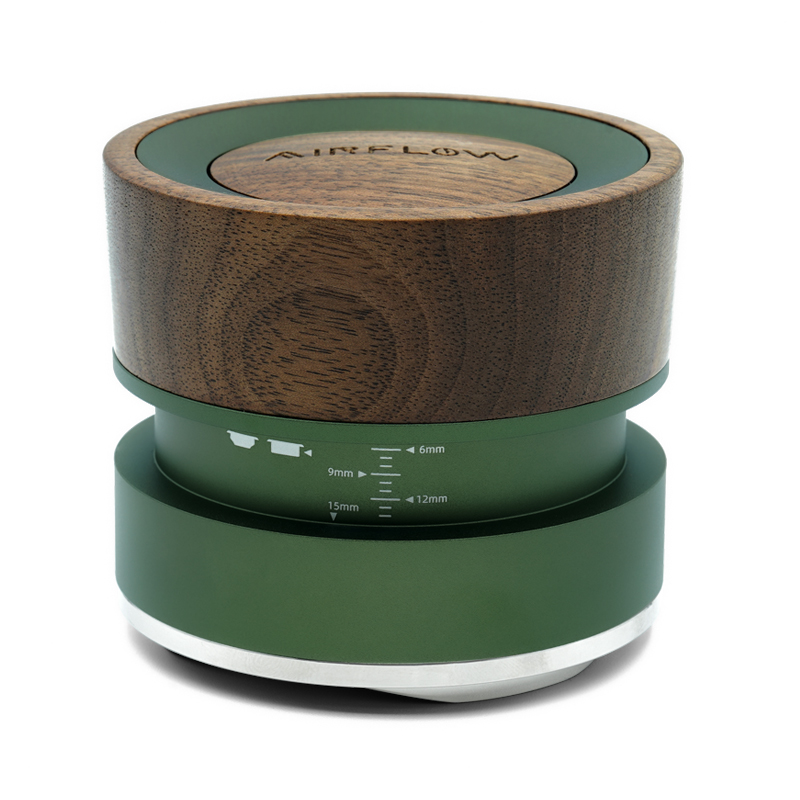 Coffee Accessories Wholesale: How Distributors Build a Range That Sells
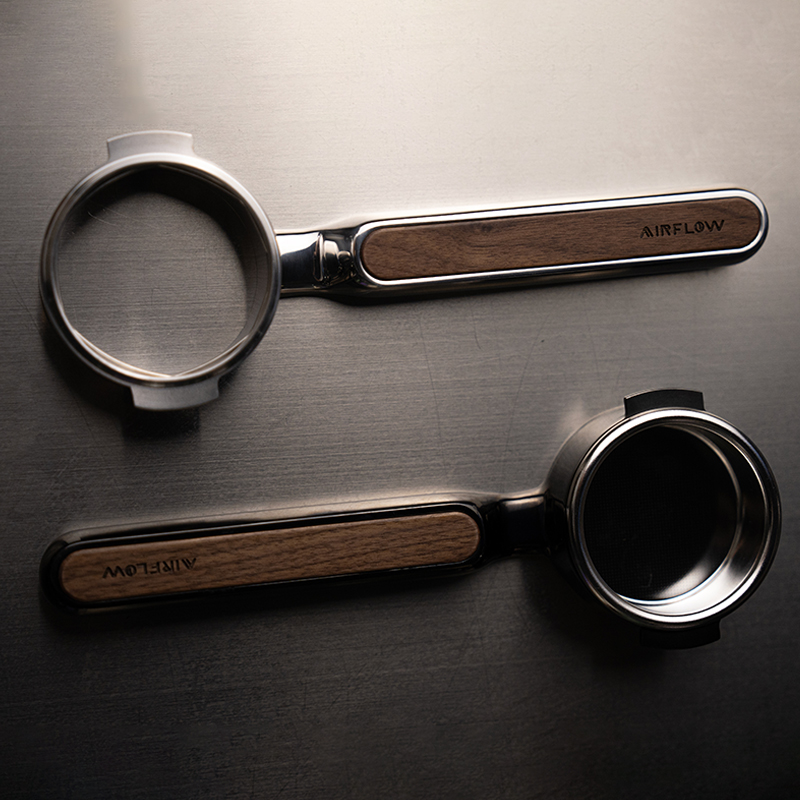 Airflow Bottomless Portafilter: How to Choose the Right Size and Use It Without the Mess
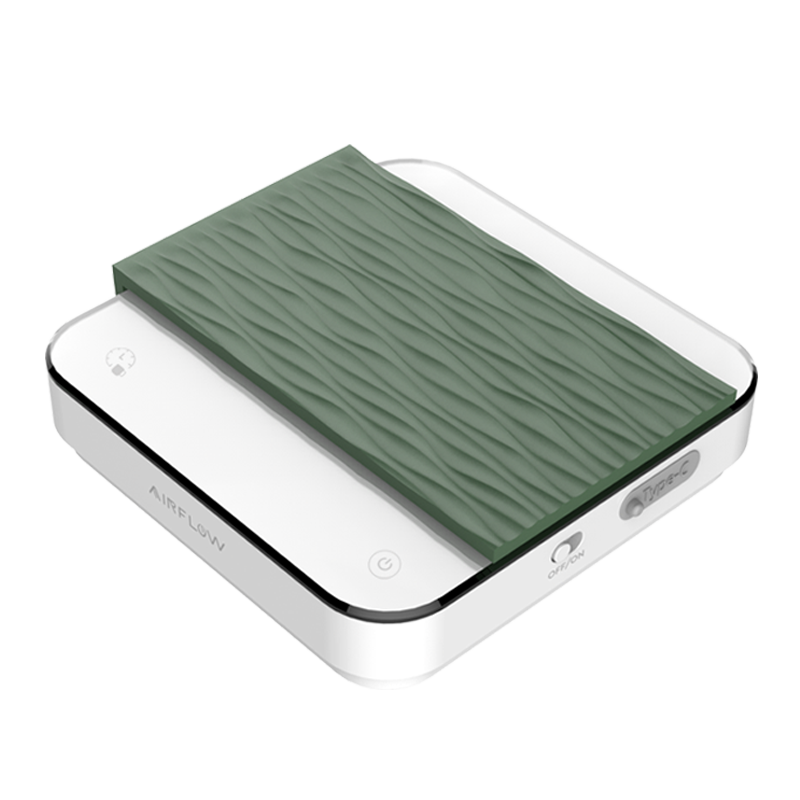 Airflow Coffee Scale: How to Choose a 0.1g Scale With Timer for Espresso and Pour-Over
How to Test Espresso Tools Before a Wholesale Order: Samples, Trial Orders and the First Carton