
Distributor Wholesale Buying Checklist: How to Source Espresso Tools Without Costly Mistakes
The short answer
Before you place a wholesale order for espresso tools, check five things in this order: compatibility with your customers' baskets and portafilters, a physical sample, the inspection you will do on arrival, the true landed cost per unit, and the OEM/ODM and after-sales terms. If any one of them is unclear, do not order in volume yet. A sample first costs a little time; a wrong batch costs a warehouse shelf.
1. Compatibility first: 51, 54, or 58mm?
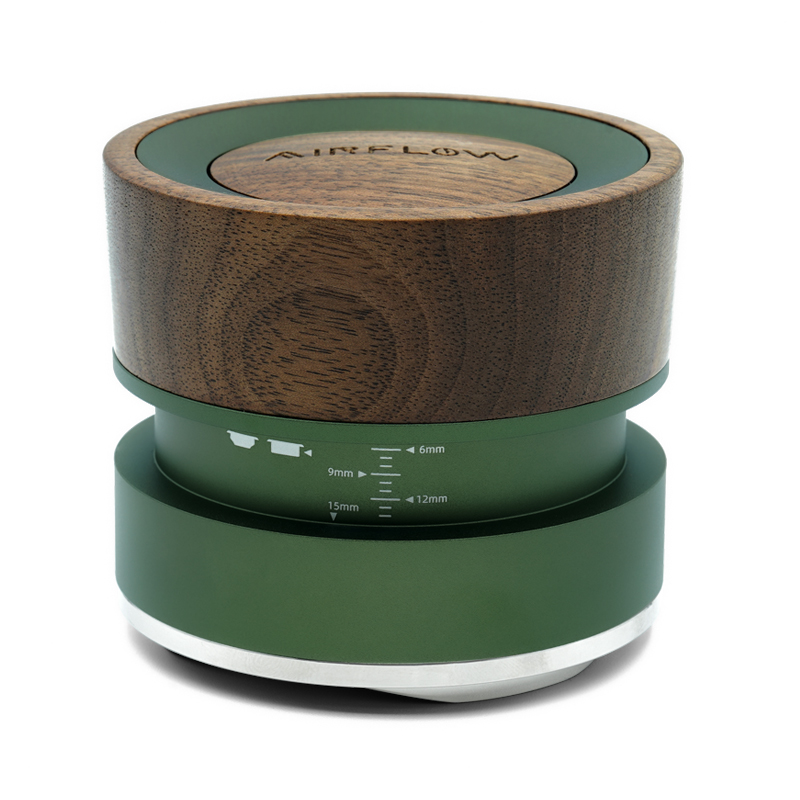
Most espresso-prep tools are sized to the basket, not to the machine brand. Check your customers' basket sizes first — 51mm, 54mm, and 58mm are the common sizes, and a tool made for one does not fit the others. For Airflow, the gravity-adaptive distributor is 58.5mm, with a 9-face plate, a 7.79° angle and 8mm depth. The magnetic dosing ring has a 73mm wide opening and 6 magnets, and does not fall when flipped. Confirm the basket size your customers actually use, then match each tool to it. A distributor, dosing ring, or tamper that does not fit is not a bargain at any price.
2. Sample first, in the sizes you will sell
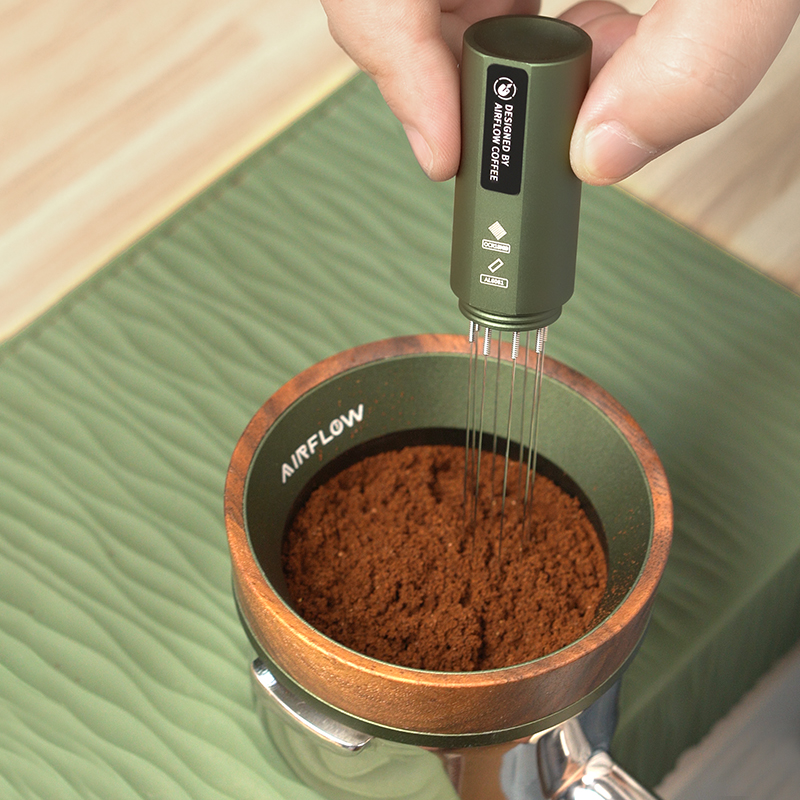
Order samples before a wholesale order, in the exact sizes and colours you plan to stock. A sample tells you what a photo cannot: weight, finish, how the magnets hold, and whether the tool feels right in a barista's hand. Airflow's usual terms are samples first, with most items in stock. Use the sample on a real bar, with real coffee, and check it against the tools your customers already use. If a sample fails, you have learned that for the cost of a sample — not for the cost of a carton.
3. Inspect on arrival: a five-minute check per carton
When a batch arrives, do not put it straight on the shelf. Check a sample from each carton: finish and colour against the sample you approved, magnets and moving parts, threads and fit, and the count against the packing list. Keep a short written record of what you checked and what passed. If something is wrong, you want to know while the batch is still in cartons, not after your customers have found it.
4. Count the landed cost, not just the unit price
Compare suppliers on landed cost per unit, not on the headline unit price alone. The usual minimum order is 1 carton per item. Ask for the full picture before you order: unit price by quantity, carton size and weight, shipping, duty and local charges, and payment terms. Write the total down per unit and per carton. A supplier who is clear about the full cost is easier to plan with than one who is cheap on the first line and vague on the rest. No prices or lead times are quoted in this article — ask for a current quote for your quantity and destination.
5. OEM/ODM and after-sales, agreed in writing
If you sell under your own brand, agree the OEM/ODM scope before ordering: logo placement, packaging, colour, and minimums for a custom run. Airflow's main offer is own-brand supply, and OEM/ODM is available. Also agree after-sales in advance: who handles a defective unit, how a return is reported, and what proof is needed. A short written agreement on these points saves a long argument later.
Wholesale checklist — one page to use with any supplier
| Check | What to confirm | Done? |
|---|---|---|
| Basket compatibility | 51 / 54 / 58mm; distributor 58.5mm, dosing ring 73mm opening | |
| Sample | Sample in the exact size and colour you will sell; tested on a real bar | |
| Specs in writing | Distributor 9-face plate, 7.79° / 8mm; WDT 8 needles × 0.4mm; pitcher 304 stainless, 400/600ml; scale 0.1g, timer, USB-C, 3 modes; dosing ring 6 magnets | |
| MOQ | Usual MOQ 1 carton per item; confirm per item and per colour | |
| Landed cost | Unit price, carton size and weight, shipping, duty, local charges, payment terms | |
| Stock | Most items in stock; confirm what is in stock now for your order | |
| OEM/ODM | Logo, packaging, colour, minimums for a custom run | |
| After-sales | Defective-unit process, return reporting, proof needed |
FAQ
What is the usual minimum order?
The usual minimum is 1 carton per item. Confirm the carton quantity per item and per colour when you ask for a quote.
Can I order a sample first?
Yes. Samples are available first, and most items are in stock. Test the sample on a real bar before ordering in volume.
Do you offer OEM/ODM?
Yes. Own-brand supply is the main offer, and OEM/ODM is available. Agree logo, packaging, colour, and minimums before ordering a custom run.
Which sizes do I need to stock?
Stock the sizes your customers' baskets need — 51mm, 54mm, and 58mm are the common sizes. The Airflow distributor is 58.5mm; check the basket size first, then match the tool.
Ask for a quote
To ask for a wholesale quote, contact Airflow through the Contact Us page and tell us the items, sizes, colours, and quantities you need, and whether you want own-brand or OEM/ODM supply. For the full range, see the Airflow products page.
Frequently asked questions
What is the minimum order?
Airflow's wholesale terms are a 1-carton MOQ per item, with samples available and most items in stock — so the first order can be small and focused instead of a warehouse bet.
Should I order the whole range at once?
No. Test first, then a trial order, then the first carton — in that order. The full method is in How to Test Espresso Tools Before a Wholesale Order, and how to build the range once you are stocking is in Coffee Accessories Wholesale: How Distributors Build a Range That Sells.
 Coffee Accessories Wholesale: How Distributors Build a Range That Sells
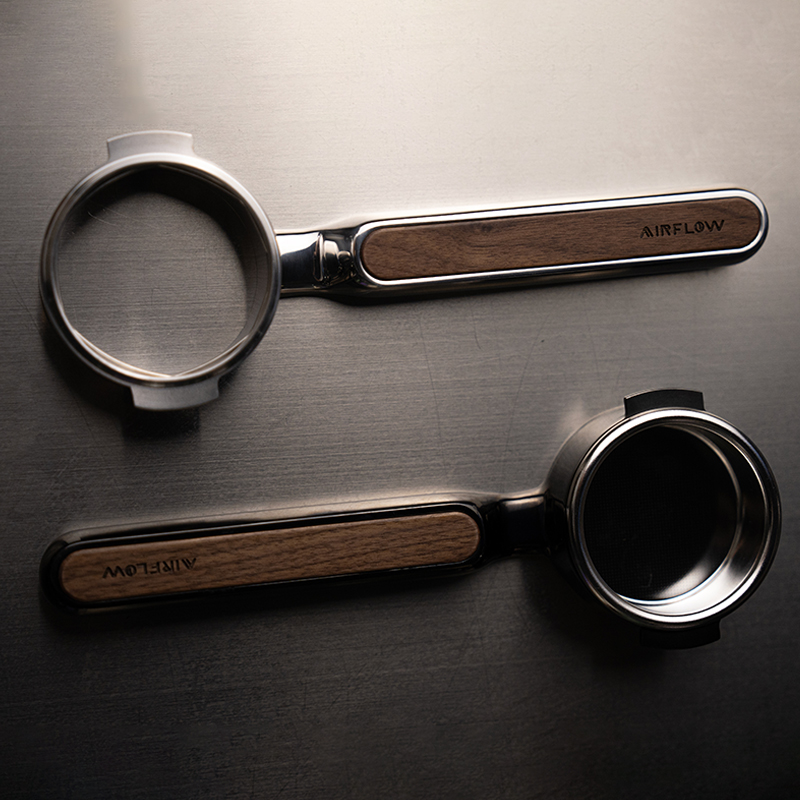 Airflow Bottomless Portafilter: How to Choose the Right Size and Use It Without the Mess
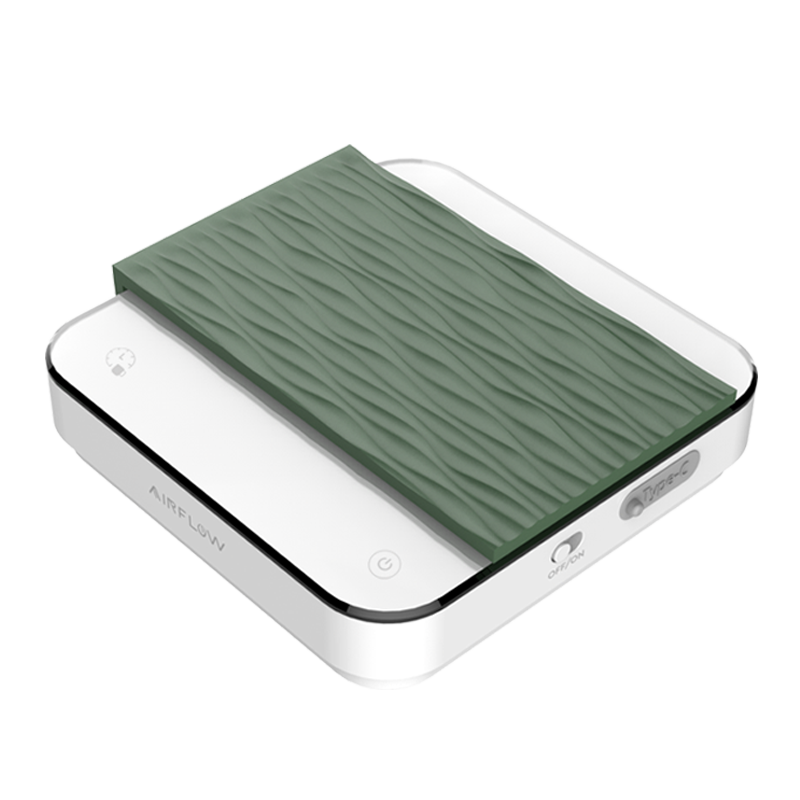 Airflow Coffee Scale: How to Choose a 0.1g Scale With Timer for Espresso and Pour-Over
How to Test Espresso Tools Before a Wholesale Order: Samples, Trial Orders and the First Carton