
The 6-Step Puck Prep SOP for Cafes: WDT, Distributor, Tamp — One Workflow, Every Barista, Every Shot
The short answer
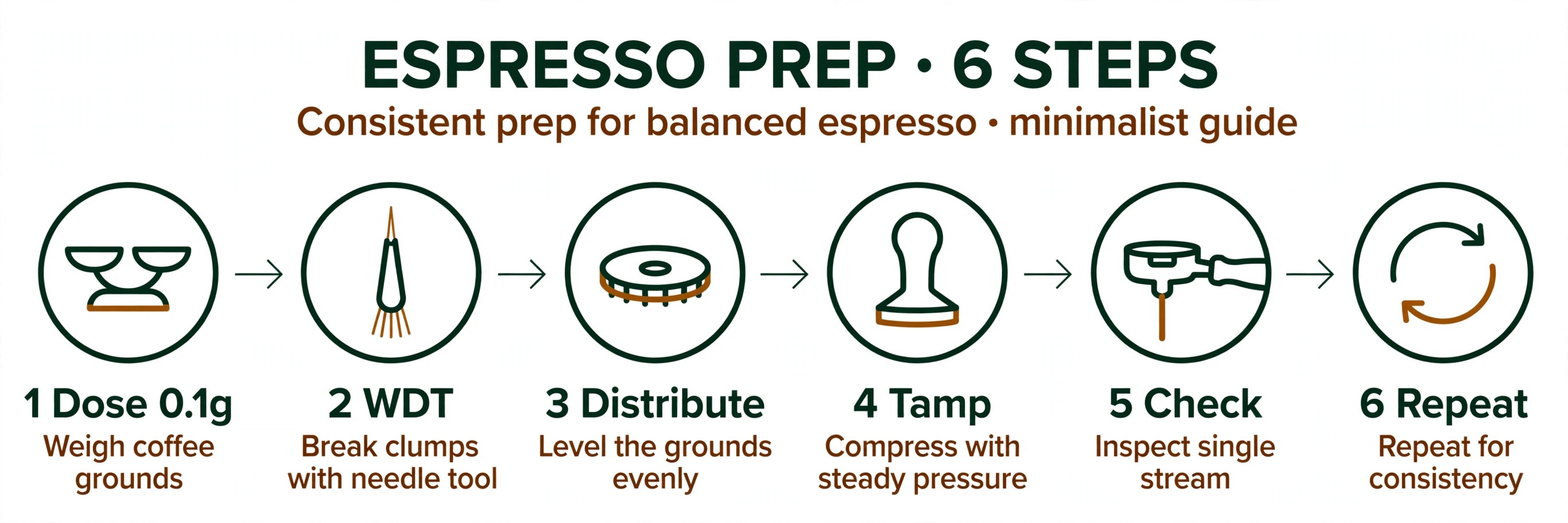
If your shots taste different from one barista to the next, the problem is rarely the beans or the machine. It is that each barista preps the puck differently. Fix the routine, and the shots converge. Six steps, in the same order, every time: dose, WDT, distribute, tamp, check, repeat.
Why puck prep is a system, not a set of tools
A distributor alone cannot fix clumps deep in the bed. A WDT tool alone cannot level the surface. A tamper alone cannot undo an uneven dose. Each tool fixes one failure, and only in order. When a cafe buys the tools but lets every barista improvise the order, it pays for consistency it never gets. The SOP below is the order.
Step 1 — Dose to 0.1 g: why the scale sits under the portafilter
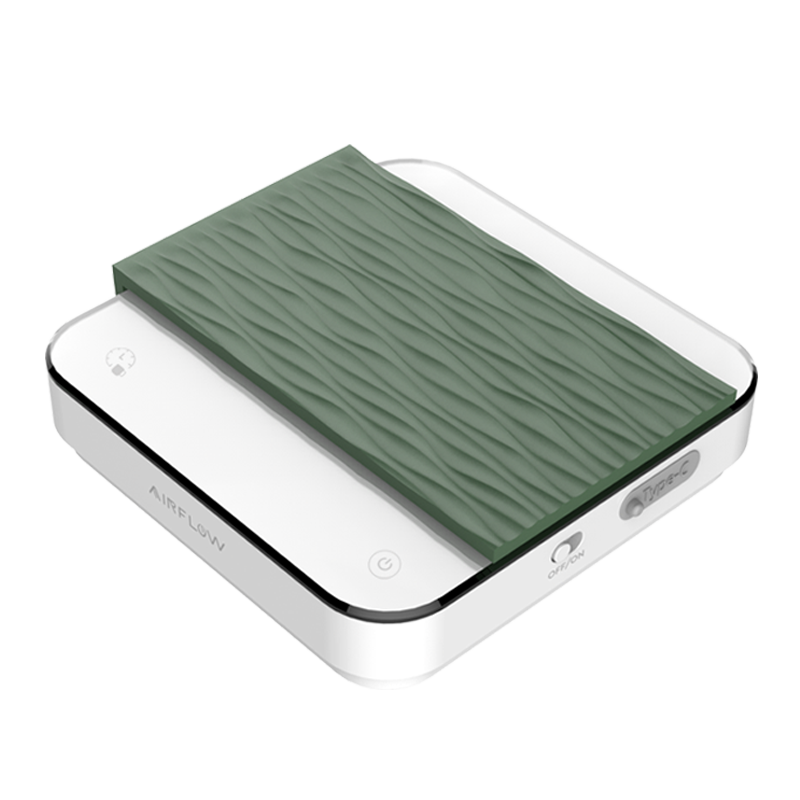
Weigh every dose. A 0.1 g coffee scale under the portafilter removes the biggest hidden variable — dose drift across a shift — before it starts. Set the target dose for the basket, dose to it, and do not adjust by eye. If the dose changes, say so: a new dose means a new grind setting, not a harder tamp. For a cafe, this is also cost control: dose drift multiplied by shots per day is beans paid for and never sold.
Step 2 — WDT: breaking clumps where channeling starts
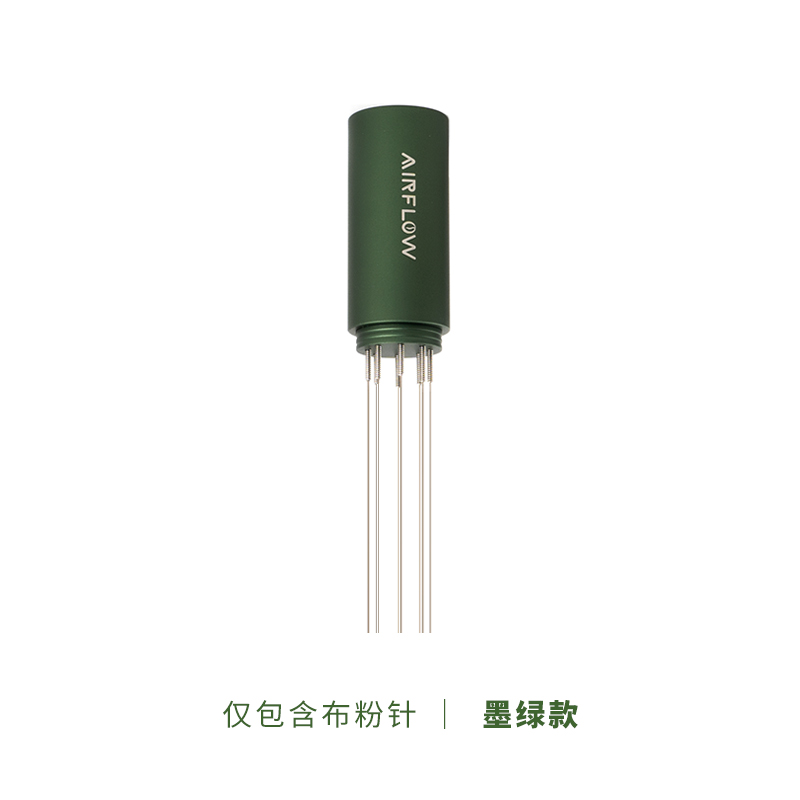
Grinding creates clumps. Clumps become channels: water finds the loose path, over-extracts one part of the puck and under-extracts the rest, and the shot tastes sour and bitter at once. A magnetic WDT tool with fine needles — Airflow's uses eight 0.4 mm needles — stirred through the bed from the basket floor up, breaks those clumps apart. Work gently, in a spiral, and keep the needles inside the basket. This step is essential, not optional, and it is the step most often skipped when a bar is busy. That is exactly when it matters most.
Step 3 — Level with a distributor: surface vs. depth, and what each tool fixes
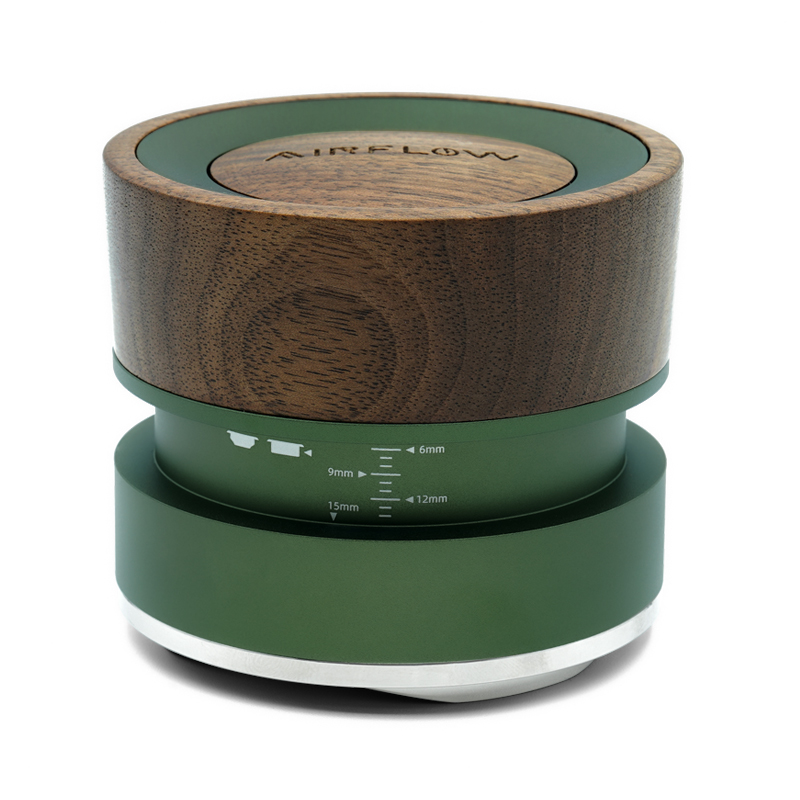
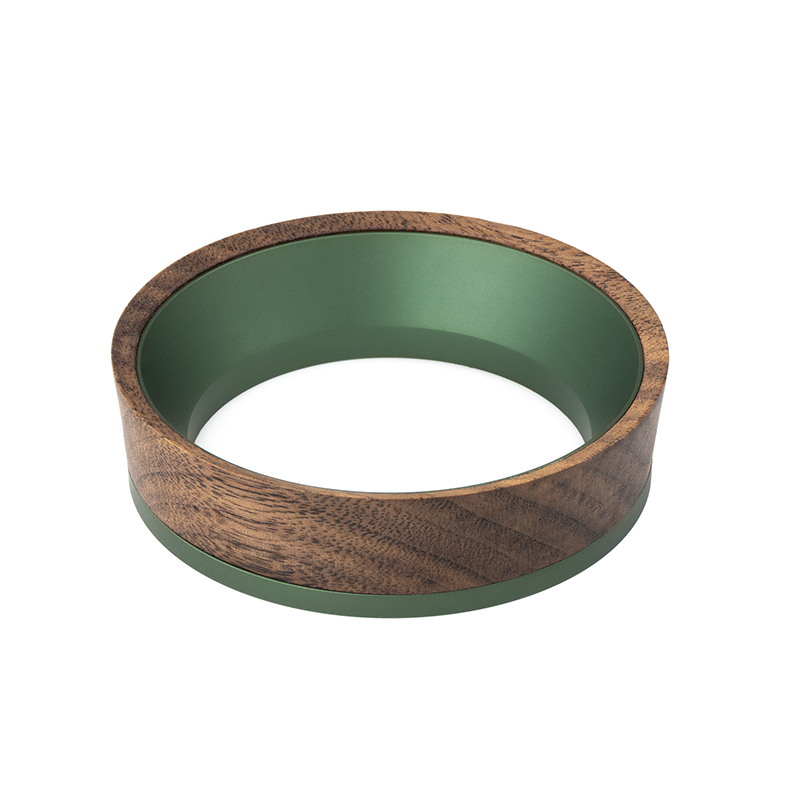
WDT fixes depth; the distributor fixes the surface. After WDT, the top of the puck is still uneven. A distributor levels it so the tamp lands flat. This is where the two tools divide the work, and why buying only one of them leaves half the job undone. Airflow's gravity-adaptive distributor (58.5 mm, 7.79° incline, 8 mm depth, black walnut with 304 stainless steel and aluminium alloy) adapts to the dose height instead of pressing to a fixed depth, which matters when different baristas dose slightly differently. A magnetic dosing ring (73 mm opening, 6 magnets) around the basket during these steps keeps grounds off the counter — less waste, less cleaning, and a dose that actually stays in the basket.
Step 4 — Tamp once, level, done: removing pressure as a variable
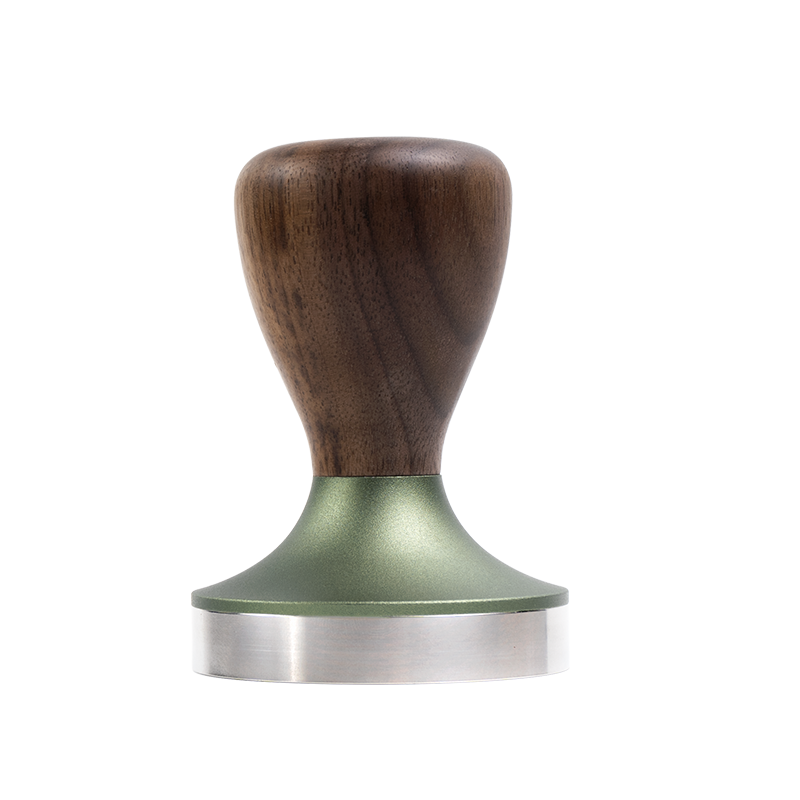
Tamp once, level, and stop. Pressing harder does not fix a bad distribution, and pressing twice re-compacts what the WDT just loosened. Use a 58.5 mm tamper that matches the basket, keep the wrist straight, and treat pressure as a constant, not a correction. If the shot still runs wrong, the fix is in steps 1–3, not in the tamp.
Reading the shot: the bottomless portafilter as daily QC
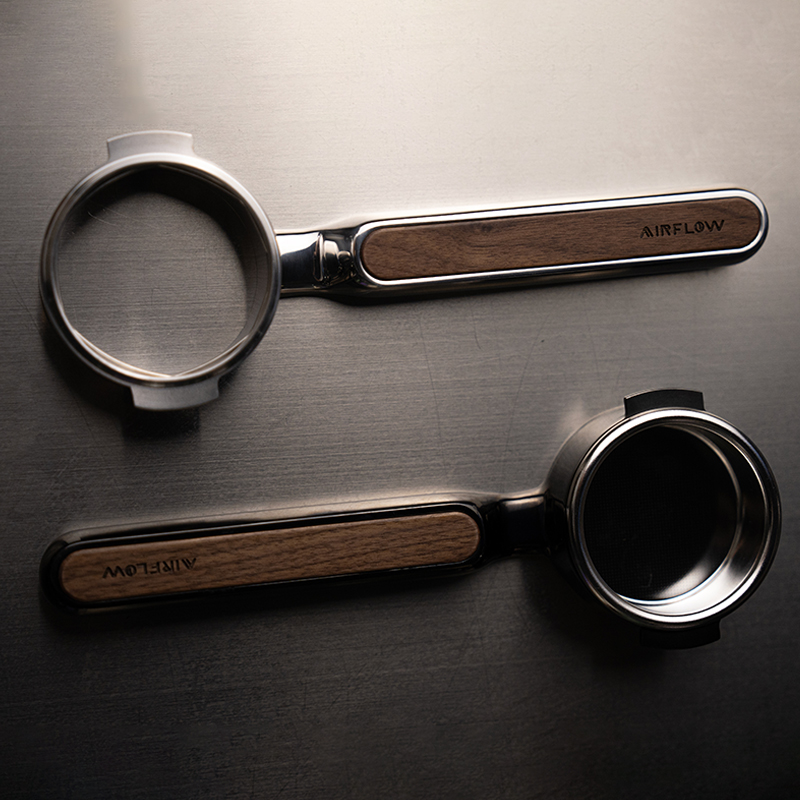
A bottomless portafilter is not a showpiece. It is the cheapest daily quality check a cafe owns: one stream from the centre means the puck is even; jets, spurts or a shot that favours one side mean channeling, and the barista can trace it back to the step that was rushed. Keep one bottomless portafilter on the bar for training and diagnosis, and use it every morning, not only when something tastes wrong. For the full diagnostic read, see our guide The Complete Guide to Bottomless Portafilters.
Turning the routine into a cafe SOP: training, timing, and waste
Write the six steps on the wall at the station, in order, with the target dose and grind setting for the current coffee. Train every new barista on the same routine, time it — a practiced barista completes it in seconds, not minutes — and check it with the bottomless portafilter at the start of each shift. The payoff is not only taste: fewer wasted shots, fewer grounds on the counter, and a new hire who is consistent on day three instead of week three.
A buyer's checklist: one kit per station
One complete kit per espresso station: a 0.1 g scale, a magnetic WDT tool, a gravity-adaptive distributor, a 58.5 mm tamper, a magnetic dosing ring, and a bottomless portafilter for QC. Buy the kit, not the single tool — a station missing one step will improvise it, and improvisation is what the SOP exists to remove. See the full range in our Espresso tools.
FAQ
Do we really need WDT if we already have a distributor?
Yes. The distributor levels the surface; it cannot break clumps deep in the bed. They fix different failures.
How long should puck prep take?
Seconds, once trained. If it takes minutes, the routine is not the problem — the training is.
What if shots still channel after following the SOP?
Check dose first, then grind, then WDT depth. Do not press harder on the tamp.
Next step
Want the kit for one station, or for a whole chain? Tell us how many stations, which basket size (51 / 54 / 58 mm) and how many baristas per shift — we will quote one kit per station, with sample orders available to test the market. Contact us.
Frequently asked questions
How long does the 6-step routine take?
A full pass takes seconds per shot — the point is the same seconds, in the same order, every time. A fixed routine is what makes the tenth shot taste like the first.
Do I need all six tools?
The routine is grind, WDT, distributor and tamp, with the scale and pitcher alongside. If you are buying one tool at a time, start with the WDT and the distributor — they fix the most common puck problems first. For how the two compare, see Magnetic WDT vs Distributor: Which Puck Prep Tool Should You Buy First?, and for the milk side of the bar, see How to Steam Milk for Latte Art.
 Coffee Accessories Wholesale: How Distributors Build a Range That Sells
 Airflow Bottomless Portafilter: How to Choose the Right Size and Use It Without the Mess
 Airflow Coffee Scale: How to Choose a 0.1g Scale With Timer for Espresso and Pour-Over
How to Test Espresso Tools Before a Wholesale Order: Samples, Trial Orders and the First Carton